Author name: 630108_admin

Your home’s roof plays a crucial role in protecting your family and possessions from the elements. However, roofing problems can…
Roofing

Emergency Roof Repair: Handling Unexpected Roofing Issues

Your home’s roof plays a crucial role in protecting your family and possessions from the elements. However, roofing problems can occur unexpectedly, potentially causing damage and inconvenience. In this blog, we’ll explore the importance of addressing unexpected roofing issues promptly and provide valuable insights into emergency roof repair solutions. Whether it’s a sudden leak, storm damage, or other unexpected problems, knowing how to handle them can make all the difference in preventing further damage to your home. The Importance of Prompt Action When it comes to roofing issues, time is of the essence. Ignoring problems or delaying repairs can lead to more extensive damage and costly repairs down the road. Here are some reasons why prompt action is crucial: Preventing Further Damage: Roof issues tend to worsen over time. A small leak can lead to water damage, mold growth, and structural issues if left unattended. Protecting Your Investment: Your home is a significant investment. Prompt roof repairs help maintain its value and prevent the need for a premature roof replacement. Ensuring Safety: A damaged roof can pose safety risks to your family. Timely repairs keep your home safe and secure. Common Roofing Emergencies Let’s look at some common roofing emergencies and how to handle them: 1. Roof Leaks Roof leaks are perhaps the most common roofing emergency. If you notice a leak, take these steps: Contain the Leak: Place buckets or containers under the leak to prevent water damage to your interior. Clear the Area: Move furniture and valuables away from the leak to protect them. Call a Professional: Contact a roofing contractor immediately to assess and repair the damage. 2. Storm Damage Severe weather, such as hail or strong winds, can damage your roof. Here’s what to do: Safety First: Ensure everyone is safe and away from potential hazards. Document the Damage: Take photos of the damage for insurance purposes. Cover Vulnerable Areas: If safe, cover damaged areas with tarps to prevent further water infiltration. Contact Your Insurance: Notify your insurance company about the damage and begin the claims process. 3. Fallen Tree/Branch If a tree or branch has fallen on your roof: Ensure Safety: Stay away from the affected area and keep others at a safe distance. Call Professionals: Contact both a roofing contractor and a tree removal service to assess and address the damage. 4. Missing Shingles Missing shingles can expose your roof to the elements: Temporary Fix: Use roofing cement or a tarp to cover the exposed area until a professional can repair it. Schedule Repairs: Contact a roofing contractor to replace the missing shingles. Wrap-Up Unexpected roofing issues can be stressful, but with the right knowledge and prompt action, you can mitigate damage and ensure the safety and integrity of your home. Remember that DIY repairs are not always advisable, especially for complex problems or emergencies. Seeking professional help is often the best course of action. If you’re facing a roofing emergency or need expert advice on your roof’s condition, don’t hesitate to contact us. Our experienced team is here to assist you. For more informative roofing and home maintenance articles, visit our Hale Roofing blog.
Roofing

Roof Installation 101: What to Expect During the Process

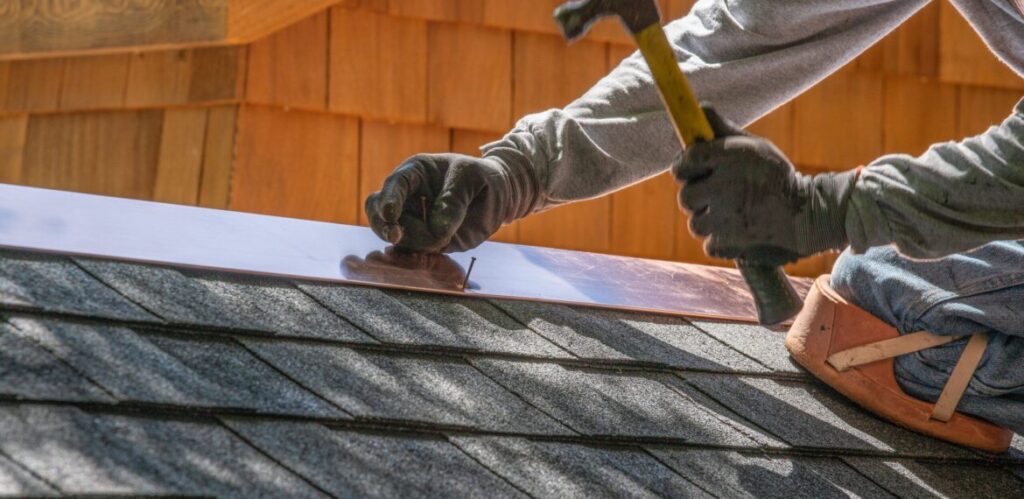
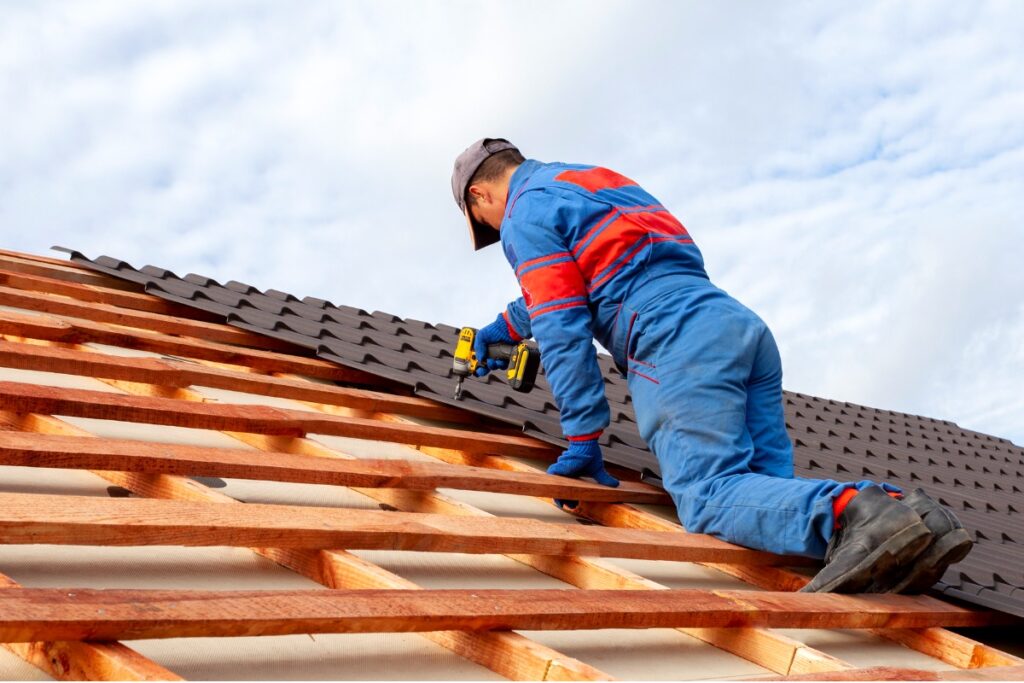
Roof installation is a significant home improvement project that can enhance your property’s aesthetics, energy efficiency, and overall value. Whether you’re replacing an old roof or installing one for a new construction, understanding the process can help you prepare for what to expect. In this blog, we’ll take you through the essential steps of roof installation, from planning to completion, to ensure a seamless and worry-free experience. A contractor working on a ceramic tile roofing installation. Step 1: Assessment and Planning Before any physical work begins, a thorough assessment of your existing roof is essential. This step involves: Inspection: A professional roofing contractor will assess the condition of your current roof, identifying any issues such as leaks, damaged shingles, or structural problems. Material Selection: Discuss your preferences and budget with the contractor to choose the right roofing material for your needs. Options include asphalt shingles, metal, clay tiles, and more. Permitting: Depending on local regulations, you may need permits for your roof installation. Your contractor should assist you with this process. Step 2: Tear-Off or Overlay If your existing roof is in poor condition, a tear-off may be necessary. The process involves removing the old roofing material down to the deck. Alternatively, if your current roof is in good shape and local building codes allow it, you can opt for an overlay. The task involves installing new roofing material over the existing one. Step 3: Roof Deck Preparation After the tear-off or overlay, the roof deck is prepared. This includes: Deck Inspection: Ensuring the deck is structurally sound and repairing any damaged areas. Underlayment: Installing a waterproof underlayment to protect against moisture infiltration. Step 4: Roof Material Installation The installation of your chosen roofing material comes next: Shingles or Tiles: Each shingle or tile is placed with precision, starting from the bottom and working upwards. Proper alignment and fastening are crucial for a secure and durable roof. Flashing: Flashing is installed around roof penetrations like chimneys and vents to prevent water infiltration. Step 5: Ventilation and Insulation Proper roof ventilation and insulation are essential for energy efficiency and moisture control. Your contractor will ensure that your roof is adequately ventilated and insulated to meet local building codes and maximize energy savings. Step 6: Cleanup and Inspection Once the roof is installed, a thorough cleanup is performed. This includes removing debris, nails, and any remnants from the old roof. A final inspection ensures that everything is in order, and any minor issues are addressed promptly. Step 7: Final Walkthrough Before considering the project complete, it’s essential to conduct a final walkthrough with your roofing contractor. This gives you an opportunity to address any concerns or ask questions about your new roof. In Summary Roof installation is a significant investment in your home’s comfort and longevity. By understanding the process and working with a reputable roofing contractor, you can ensure a worry-free experience and enjoy the benefits of a reliable and durable roof. Ready to start your roof installation project? Invest in your home’s future by choosing a trusted roofing partner for your installation project. If you have any questions or are ready to embark on your roof installation journey, contact us today for expert guidance and quality service. Don’t forget to check out our Hale Roofing blog for more insightful articles on roofing and home improvement. 

Few can rival the timeless beauty and durability of clay tiles when it comes to roofing materials. Whether you’re building…
Roofing

Clay Tile Roofing: A Timeless Aesthetic for Your Home

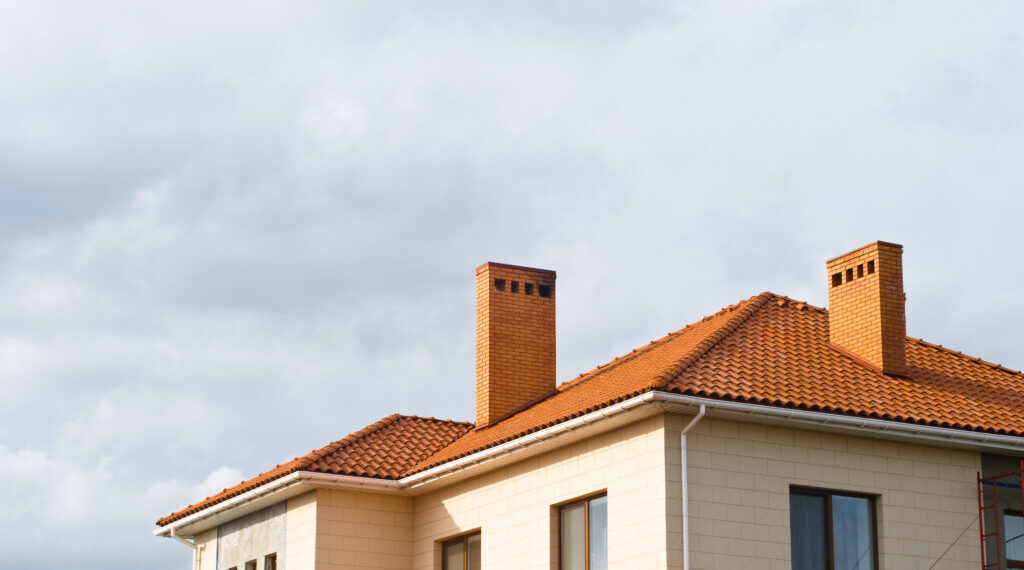
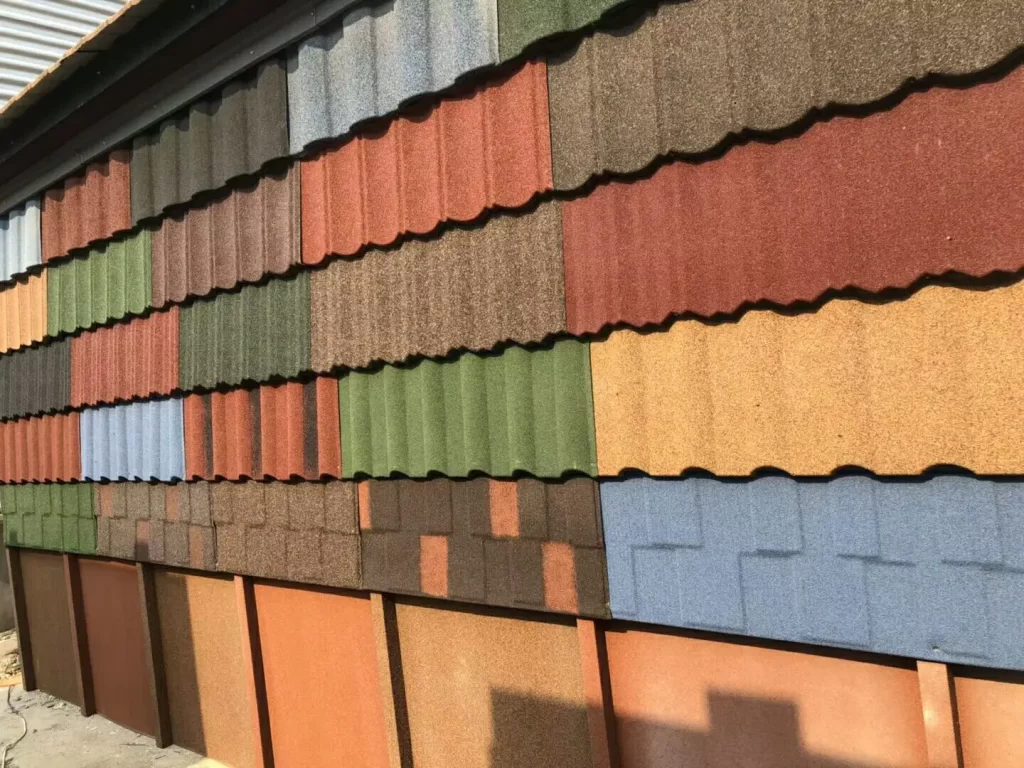
Few can rival the timeless beauty and durability of clay tiles when it comes to roofing materials. Whether you’re building a new home or considering a roof replacement, clay tile roofing offers a classic aesthetic that can elevate the look of your property while providing long-lasting protection. In this blog, we’ll explore the various aspects of clay tile roofing, from its benefits and styles to maintenance tips, and why it’s a fantastic choice for your home. Benefits of Clay Tile Roofing Clay tile roofing has been used for centuries, and for a good reason. Here are some of the key benefits it brings to your residential property: Aesthetic Appeal: Clay tiles exude a timeless elegance that can enhance the curb appeal of any home. They come in various shapes, sizes, and colors, allowing you to choose a style that complements your architectural preferences. Durability: Clay tiles are renowned for their longevity. When properly maintained, they can last for over 100 years, outlasting many other roofing materials. This durability makes them a cost-effective choice in the long run. Energy Efficiency: Clay tiles have natural insulating properties, helping regulate indoor temperatures. This can lead to reduced energy bills, making your home more environmentally friendly and economical. Low Maintenance: Unlike some roofing materials that require frequent repairs, clay tiles are relatively low-maintenance. They are resistant to rot, insect damage, and fire, ensuring your home remains safe and secure. Styles of Clay Tile Roofing Clay tile roofing offers a wide range of styles to suit different architectural designs. Some popular options include: Spanish Mission: This style features curved, barrel-shaped tiles that evoke a Mediterranean or Spanish look. It’s characterized by its rustic charm and warmth. French Provincial: French-style clay tiles are often flatter and more symmetrical. They create a clean, uniform appearance that works well with French-inspired homes. Mediterranean: These tiles come in various shapes and sizes, offering versatility in design. They’re perfect for achieving that classic Mediterranean villa aesthetic. Maintenance Tips To ensure your clay tile roofing remains in pristine condition, consider the following maintenance tips: Regular Inspections: Schedule annual inspections to check for cracked or damaged tiles. Promptly replace any tiles that show signs of wear and tear. Gutter Cleaning: Keep your gutters clean to prevent water from pooling on the roof, which can lead to damage over time. Moss and Algae Removal: If you live in a humid climate, moss and algae growth can be an issue. Regular cleaning can prevent these organisms from causing damage. Conclusion Clay tile roofing is a classic choice that adds both beauty and durability to your home. Its timeless appeal, wide range of styles, and low-maintenance nature make it a valuable investment. If you’re considering a roof replacement or building a new home, explore the elegance and longevity of clay tile roofing. Invest in the timeless beauty of clay tile roofing today and experience the difference it can make for your home’s aesthetics and longevity. Contact us today for a free consultation. Don’t miss out on more roofing tips and trends! Visit our Hale Roofing blog for the latest updates.

Roofing

Exploring the Benefits of TPO Roofing for Commercial Properties

Thermoplastic Olefin (TPO) roofing systems have gained popularity among commercial property owners for their exceptional performance and cost-effectiveness. In this guide, we’ll delve into the numerous benefits of TPO roofing and why it’s considered a smart choice for businesses looking to enhance their energy efficiency and roofing durability. Understanding TPO Roofing TPO roofing is a single-ply membrane system made from a blend of rubber and plastic. Its reflective and energy-efficient properties make it an ideal choice for commercial buildings. Let’s explore the advantages it brings to the table. Advantages of TPO Roofing Energy Efficiency: TPO roofing is renowned for its white or light-colored surface, which reflects sunlight and heat away from the building. This reflective quality reduces cooling costs during hot summer months, contributing to energy efficiency and lower utility bills. Durability: TPO roofing is designed to withstand various weather conditions, including high winds, rain, and even hail. Its resistance to tears, punctures, and mold growth ensures long-lasting protection for your commercial property. Cost-Effectiveness: TPO roofing is cost-effective both in terms of installation and maintenance. Its affordability, coupled with its long lifespan, makes it a wise investment for commercial property owners. Environmentally Friendly: TPO roofing is considered an environmentally friendly option due to its reflective surface, which reduces the urban heat island effect. It’s also recyclable at the end of its lifespan, minimizing environmental impact. Installation and Maintenance Installing and maintaining TPO roofing is best left to professionals. Here’s why: Proper Installation: Professional installation ensures that seams are correctly welded, preventing leaks and ensuring optimal performance. Routine Inspections: Regular inspections by roofing experts can detect and address any issues early, extending the lifespan of your TPO roofing system. Making the Right Choice for Your Business Selecting the right roofing system is crucial for the success and longevity of your commercial property. TPO roofing offers a compelling combination of energy efficiency, durability, and cost-effectiveness, making it a top choice for businesses of all sizes. Contact Us Today! Ready to explore the benefits of TPO roofing for your commercial property? Our Hale Roofing Team team specializes in TPO roofing installation, maintenance, and repairs. Contact us to learn more about our commercial roofing solutions, and browse our blog for additional insights on roofing and property maintenance.

Roofing

Flat Roofing vs. Shingle Roofing: Pros and Cons Unveiled

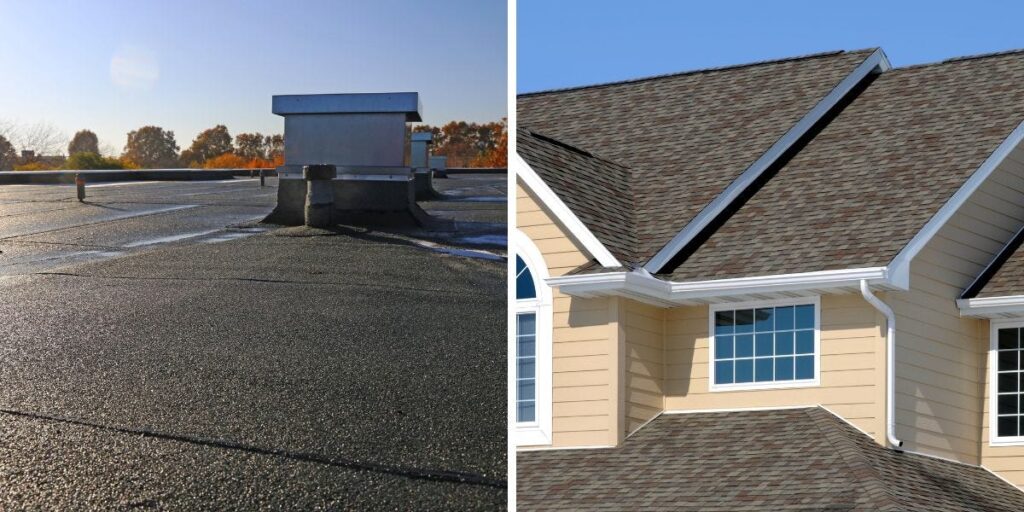
Choosing the Right Roofing System Selecting the right roofing system for your property is a critical decision that can impact its aesthetics, functionality, and longevity. Two popular options homeowners often consider are flat roofing and shingle roofing. In this guide, we’ll uncover the pros and cons of each roofing system, helping you make an informed choice for your property. Flat Roofing: Modern Appeal and Practicality Flat roofing has gained popularity in contemporary architecture for its sleek and modern appearance. Here are some key advantages and disadvantages: Pros of Flat Roofing 1. Modern Aesthetics Flat roofs offer a minimalist, clean look that complements modern and minimalist architectural designs. 2. Usable Space Flat roofs can be transformed into usable spaces, such as rooftop gardens or patios, providing additional functional areas. 3. Easy Maintenance Maintenance of flat roofs is typically easier and more cost-effective than steep-slope roofs, as they have fewer angles and valleys where debris can accumulate. Cons of Flat Roofing 1. Limited Drainage Flat roofs have minimal slope, which can lead to drainage issues if not designed and maintained correctly. Ponding water can cause leaks and structural problems. 2. Lifespan Flat roofing materials may have a shorter lifespan compared to some sloped roofing materials, which can result in more frequent replacements. 3. Maintenance Expertise Proper maintenance of flat roofs requires specialized knowledge and expertise to prevent common issues like leaks and water pooling. Shingle Roofing: Time-Tested and Versatile Shingle roofing, especially asphalt shingles, remains a popular and versatile choice for residential properties. Let’s explore its pros and cons: Pros of Shingle Roofing 1. Cost-Effective Shingle roofing is often more affordable upfront compared to flat roofing systems, making it a budget-friendly option for homeowners. 2. Wide Variety Shingle roofs come in a wide range of styles, colors, and textures, allowing homeowners to choose a look that suits their preferences. 3. Durability High-quality shingles can offer excellent durability and can withstand various weather conditions, including wind and rain. Cons of Shingle Roofing 1. Limited Lifespan Shingle roofs may require more frequent replacements compared to some flat roofing systems, especially in harsh climates. 2. Aesthetic Limitations While versatile, shingle roofing may not provide the sleek and modern aesthetics of flat roofing, which some homeowners prefer. 3. Maintenance Regular maintenance, such as shingle replacement and cleaning, is necessary to prolong the lifespan of a shingle roof. Choosing the Ideal Roofing Solution The choice between flat roofing and shingle roofing ultimately depends on your preferences, budget, and the architectural style of your property. It’s essential to consult with a roofing professional who can assess your specific needs and provide tailored recommendations. Ready to discuss your roofing options further? Contact us for expert guidance and roofing services. Our team at Hale Roofing has the experience to help you make the right choice for your property. Explore our blog for additional roofing insights and tips. Make an informed decision and choose the roofing system that best suits your property’s needs and your personal preferences.

Roofing

The Importance of Regular Roof Inspections for a Leak-Free Home

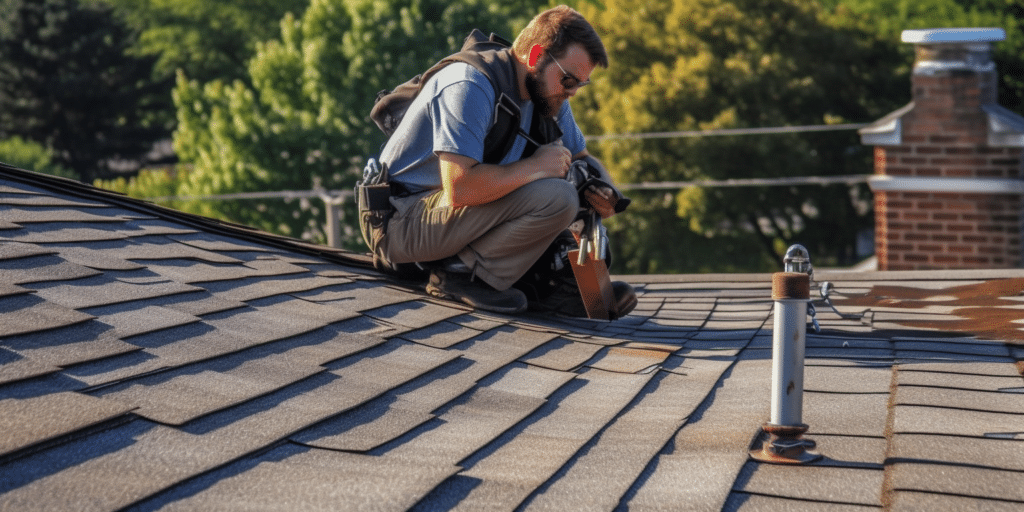
Roof Inspections: Your Shield Against Leaks Your home’s roof is its first line of defense against the elements, and a watertight roof is essential to protect your family and belongings. To ensure your roof remains leak-free and in optimal condition, regular roof inspections are a must. In this guide, we’ll delve into the significance of routine roof inspections and why they should be a top priority for homeowners. The Hidden Threat of Roof Leaks Roof leaks are not always immediately evident. By the time you notice water stains on your ceiling or walls, significant damage may have already occurred. Common causes of roof leaks include: Damaged Shingles: Weather, age, and wear can lead to shingle damage, allowing water to penetrate. Flashing Issues: Improperly sealed flashing around chimneys, vents, or skylights can be a source of leaks. Clogged Gutters: Debris buildup in gutters can obstruct water flow, leading to water backing up under roofing material The Role of Routine Roof Inspections Regular roof inspections are the key to identifying and addressing potential issues before they escalate into costly problems. Here’s why they are crucial: 1. Early Detection Inspections catch problems in their infancy, allowing for prompt repairs. This can prevent minor issues from turning into major structural damage. 2. Prolonging Roof Lifespan Regular maintenance, including inspections, can extend the lifespan of your roof. A well-maintained roof can last significantly longer, saving you money in the long run. 3. Maintaining Warranty Coverage Many roofing warranties require regular inspections and maintenance. Failing to adhere to these requirements can void your warranty. 4. Energy Efficiency A well-maintained roof with no leaks or insulation issues contributes to better energy efficiency in your home, reducing heating and cooling costs. DIY vs. Professional Inspections While it’s possible to conduct a basic visual inspection from the ground, hiring a professional roofing contractor is highly recommended for thorough inspections. Professionals have the knowledge and experience to identify hidden issues that may not be visible to an untrained eye. When Should You Schedule an Inspection? It’s advisable to schedule roof inspections at the following times: After Severe Weather: Inspect your roof after severe weather events, such as heavy storms, hail, or high winds. Twice Annually: Plan for inspections twice a year, ideally in the spring and fall, to catch any issues before the extreme summer or winter weather. Take Action Today! Don’t wait for a leak to disrupt your life and damage your home. Schedule a professional roof inspection today and be confident knowing your home is protected.  Contact us for expert roof inspection services. Our experienced Hale Roofing team will ensure your roof remains leak-free, protecting your home and family. Explore our blog for additional tips on home maintenance and roofing. Invest in regular roof inspections and safeguard your home against the hidden threat of leaks. Make the smart choice today!

Roofing

Residential vs. Commercial Roofing: Key Differences You Need to Know

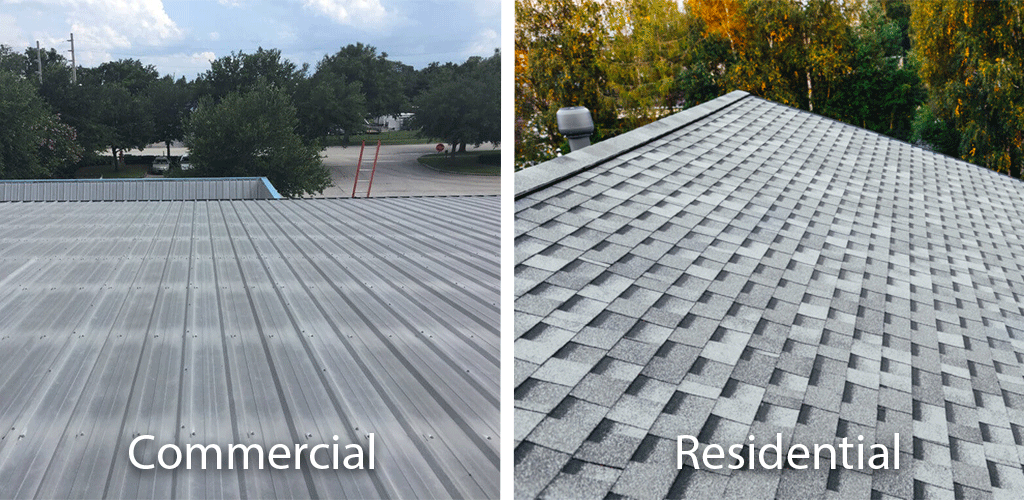
When it comes to roofing, whether for your home or a commercial property, it’s important to understand that not all roofs are created equal. Residential and commercial roofing serve different purposes and have distinct characteristics. In this guide, we’ll explore the key differences between the two, helping you make informed decisions for your roofing needs. Residential Roofing: Protecting Your Home Residential roofing primarily serves the purpose of protecting homes and providing shelter for families. Here are some essential characteristics of residential roofing: 1. Roofing Materials Residential roofs commonly use materials such as asphalt shingles, wood shakes, clay tiles, or metal roofing. These materials are chosen for their aesthetics and suitability for residential settings. 2. Roof Pitch Residential roofs tend to have steeper pitches to enhance water drainage and curb appeal. This steep slope allows for a wide variety of architectural styles and designs. Commercial Roofing: Protecting Businesses Commercial roofing serves the needs of businesses and commercial properties. Here are the primary distinctions of commercial roofing: 1. Roofing Materials Commercial roofs often utilize materials like TPO (Thermoplastic Olefin), EPDM (Ethylene Propylene Diene Monomer), or modified bitumen. These materials are selected for their durability and energy efficiency, making them suitable for larger roofs. 2. Roof Design Commercial roofs typically have a flatter or low-slope design. This design choice allows for the installation of HVAC units, solar panels, or other equipment commonly found on commercial buildings. Maintenance and Repairs Maintenance and repairs for residential and commercial roofs also differ: Residential Roofing: Maintenance usually includes inspecting and repairing individual shingles or tiles. Repairs are often focused on localized damage. Commercial Roofing: Maintenance involves checking large roof areas for any signs of wear, tear, or leaks. Repairs may require specialized equipment and expertise. Regulations and Codes Residential and commercial roofing are subject to different regulations and building codes: Residential Roofing: Building codes focus on safety and aesthetics, with an emphasis on protecting homeowners and their families. Commercial Roofing: Building codes are more stringent and may include requirements for fire resistance, environmental considerations, and accessibility for maintenance personnel. Cost Considerations Costs for residential and commercial roofing vary significantly: Residential Roofing: Generally, residential roofing costs are lower due to the smaller size of the projects and the use of less expensive materials. Commercial Roofing: Costs for commercial roofing are typically higher due to the larger roof area, more complex designs, and the use of specialized materials. Making the Right Choice Whether you need residential or commercial roofing, it’s essential to choose a roofing contractor with expertise in the specific type of roofing you require. At Hale Roofing, we offer professional roofing services for both residential and commercial properties. Our experienced team understands the unique demands of each type of roofing and can provide expert guidance tailored to your needs. Contact Us Today! Ready to discuss your roofing project? Contact us today for a free consultation. We’ll help you make the right choice for a secure and reliable roof. Visit our homepage for more information on our roofing services, and explore our blog for additional roofing insights and tips. Make an informed decision and ensure the protection of your property with the right roofing solution!

Roofing

Choosing the Right Roofing Company: Your Guide to a Secure Roof

The Importance of a Trustworthy Roofing Contractor Your roof is an integral part of your property, and its maintenance or replacement should never be taken lightly. A reliable roofing contractor can make all the difference in the quality of workmanship and materials used. Here’s how to make an informed choice: 1. Check Their Credentials Start by verifying the roofing company’s credentials. Ensure they are licensed, bonded, and insured. This not only guarantees the legitimacy of the business but also provides you with protection in case of accidents or property damage during the project. 2. Read Reviews and Ask for References Customer reviews and references are invaluable resources when evaluating roofing contractors. Search online for reviews and testimonials from previous clients. Additionally, don’t hesitate to ask the contractor for references from recent projects. Speaking with previous customers can provide valuable insights into the contractor’s reliability and work quality. 3. Experience Matters Experience is often a key indicator of a roofing contractor’s expertise. Look for a company with a proven track record in the type of roofing project you need, whether it’s residential or commercial roofing, roof repairs, or a complete roof installation. 4. Quality Materials and Workmanship Inquire about the materials the roofing company uses. A reputable contractor should be transparent about the quality of materials they use, as well as the warranties they offer. High-quality materials and skilled workmanship are essential for a long-lasting roof. 5. Obtain Multiple Quotes Don’t settle for the first roofing company you come across. Obtain multiple quotes from different contractors to compare prices, services, and materials. Be wary of significantly low bids, as they may indicate subpar materials or work quality. 6. Communication and Transparency Effective communication is crucial throughout the roofing project. Choose a contractor who is responsive to your inquiries and provides clear and transparent explanations of the work to be done, the timeline, and the budget. Your Roofing Contractor Checklist Before making your final decision, create a checklist to ensure your chosen roofing contractor meets all your criteria. This checklist should include: Licensing and insurance verification Positive customer reviews and references Relevant experience in your roofing project type Use of high-quality materials Competitive pricing Effective communication and transparency By following these steps and being diligent in your research, you can confidently choose the right roofing company for your needs. Remember, your roof is a long-term investment, and selecting a reliable contractor is the first step toward ensuring its security and durability. Take Action Now! Ready to find the perfect roofing contractor for your project? Contact Hale Roofing today for expert roofing services you can trust. Our experienced team is dedicated to delivering top-notch roofing solutions for both residential and commercial properties. Explore our blog for additional roofing insights and tips.  Choose wisely and enjoy the peace of mind that comes with a secure and reliable roof!

Scroll to Top